
Blockchain technology is transforming industries by providing secure, transparent, and decentralized ways to handle transactions and store data. With an estimated market size of $10.02 billion in 2022 and a projected growth to $1.43 trillion by 2030, blockchain is paving the way for a future where intermediaries are minimized, and trust is built into the very fabric of digital interactions. Let’s explore what blockchain is, how it works, and why it’s essential for businesses to understand its impact. What is Blockchain? At its core, blockchain is a distributed ledger technology (DLT) that records data across a network of computers, making it nearly impossible to alter retroactively. Unlike traditional databases, blockchain stores data in blocks that are linked or “chained” together. Each block contains a unique identifier, a timestamp, and transaction data, all of which are cryptographically secured. The security aspect is one of the key reasons why blockchain is projected to safeguard up to $20 billion worth of assets by 2024. How Does Blockchain Work? Blockchain operates on a decentralized network of nodes (computers) that validate and record transactions. In 2021, the Ethereum network had an average of 200,000 daily active nodes, which collectively validate transactions. When a transaction is made, it is grouped with others in a block and sent out to the network for validation through a consensus mechanism, such as Proof of Work or Proof of Stake. Once validated, the block is added to the existing chain of blocks. Each new block strengthens the security of the previous blocks, making the chain tamper-proof. According to recent studies, altering a single transaction on a large blockchain network like Bitcoin would require control of over 51% of the network, an incredibly costly and nearly impossible task. Key Benefits of Blockchain Applications of Blockchain Across Industries The Future of Blockchain The potential of blockchain extends beyond individual industries. The global spending on blockchain solutions is projected to reach $19 billion by 2024, indicating rapid adoption across sectors. With Web 3.0 on the horizon, blockchain could become the foundation for a more decentralized internet, where users have control over their data and digital identities. From DeFi to NFTs, blockchain is enabling a range of new business models and opportunities. Businesses looking to stay competitive should explore blockchain to understand its applications and consider how it can be integrated into their operations. Final Thoughts Blockchain technology holds the promise of a more secure, transparent, and efficient world. With a projected market growth rate of over 85% annually, its impact on various sectors is undeniable. As more businesses and industries adopt blockchain, it will shape the future of our digital economy. By staying informed about blockchain trends and exploring how it can benefit your business, you can position yourself at the forefront of this technological revolution. Whether you’re interested in finance, healthcare, or supply chain management, blockchain offers innovation and growth opportunities that are too significant to ignore.Blockchain technology is transforming industries by providing secure, transparent, and decentralized ways to handle transactions and store data. With an estimated market size of $10.02 billion in 2022 and a projected growth to $1.43 trillion by 2030, blockchain is paving the way for a future where intermediaries are minimized, and trust is built into the very fabric of digital interactions. Let’s explore what blockchain is, how it works, and why it’s essential for businesses to understand its impact. What is Blockchain? At its core, blockchain is a distributed ledger technology (DLT) that records data across a network of computers, making it nearly impossible to alter retroactively. Unlike traditional databases, blockchain stores data in blocks that are linked or “chained” together. Each block contains a unique identifier, a timestamp, and transaction data, all of which are cryptographically secured. The security aspect is one of the key reasons why blockchain is projected to safeguard up to $20 billion worth of assets by 2024. How Does Blockchain Work? Blockchain operates on a decentralized network of nodes (computers) that validate and record transactions. In 2021, the Ethereum network had an average of 200,000 daily active nodes, which collectively validate transactions. When a transaction is made, it is grouped with others in a block and sent out to the network for validation through a consensus mechanism, such as Proof of Work or Proof of Stake. Once validated, the block is added to the existing chain of blocks. Each new block strengthens the security of the previous blocks, making the chain tamper-proof. According to recent studies, altering a single transaction on a large blockchain network like Bitcoin would require control of over 51% of the network, an incredibly costly and nearly impossible task. Key Benefits of Blockchain Applications of Blockchain Across Industries The Future of Blockchain The potential of blockchain extends beyond individual industries. The global spending on blockchain solutions is projected to reach $19 billion by 2024, indicating rapid adoption across sectors. With Web 3.0 on the horizon, blockchain could become the foundation for a more decentralized internet, where users have control over their data and digital identities. From DeFi to NFTs, blockchain is enabling a range of new business models and opportunities. Businesses looking to stay competitive should explore blockchain to understand its applications and consider how it can be integrated into their operations. Final Thoughts Blockchain technology holds the promise of a more secure, transparent, and efficient world. With a projected market growth rate of over 85% annually, its impact on various sectors is undeniable. As more businesses and industries adopt blockchain, it will shape the future of our digital economy. By staying informed about blockchain trends and exploring how it can benefit your business, you can position yourself at the forefront of this technological revolution. Whether you’re interested in finance, healthcare, or supply chain management, blockchain offers innovation and growth opportunities that are too significant to ignore.

Beyond the Algorithm: Generative AI’s Industry Impact
In today’s tech-driven world, few advancements are making waves like Generative AI (Gen AI). This transformative force isn’t just enhancing existing systems; it’s reshaping industries entirely. From healthcare breakthroughs to legal efficiency, Gen AI is redefining what’s possible, pushing the boundaries of innovation in ways we couldn’t have imagined just a few years ago. Generative AI’s potential is staggering. According to McKinsey, if fully embraced, this technology could contribute between $200 billion and $340 billion annually to the banking sector alone. Retail and consumer packaged goods are even more primed for disruption, with a projected impact of $400 billion to $660 billion per year. As of 2023, the global market for Generative AI was valued at $13.9 billion – a figure expected to skyrocket to $208.8 billion by 2032, with North America leading the charge. With the USA alone securing $52.9 billion in private AI funding last year, the momentum is undeniable. Healthcare: From Diagnostics to Drug Discovery Gen AI is revolutionizing healthcare in ways that are not just impactful but life-saving. Financial Services: In the financial world, Gen AI is a game-changer, from fighting fraud to automating tedious tasks. Retail: Personalized Shopping at Scale In retail, Gen AI is reshaping the shopping experience and driving business results. Manufacturing: Manufacturing is undergoing a major shift thanks to the predictive and creative power of Gen AI. Media & Entertainment: Creativity Meets Technology Generative AI is transforming creativity, giving artists and creators new tools to push boundaries. Automotive: Driving the Future The automotive sector is one of the most exciting playgrounds for Gen AI. Legal Services: Streamlining the Legal Maze In the legal world, time-consuming tasks are getting a much-needed upgrade. From healthcare to legal services, Generative AI is making its presence felt across industries. It’s not just about doing things faster or cheaper – it’s about reimagining how entire sectors operate. Whether it’s personalizing customer experiences, creating new products, or even revolutionizing the way we work, Gen AI is driving innovation at every turn. The future isn’t just coming – it’s already here, and it’s powered by Generative AI.
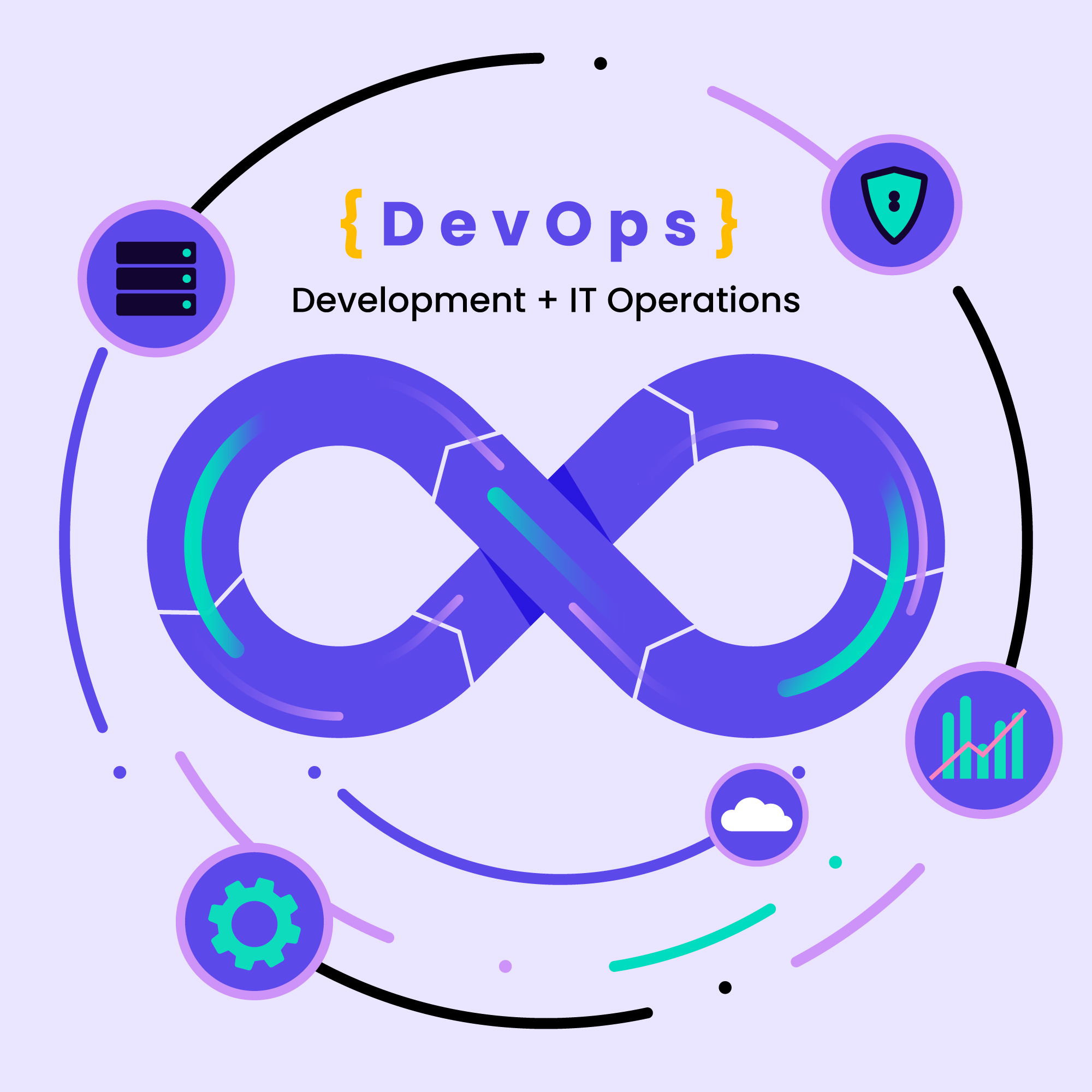
DevOps: Transforming Software Development for Faster, Efficient, and Reliable Delivery
In today’s fast-paced digital landscape, businesses need to adapt quickly to changing market demands and customer expectations. This is where DevOps comes in—a set of practices that combines software development (Dev) and IT operations (Ops). By promoting collaboration between teams and automating key processes, DevOps helps businesses improve the speed, efficiency, and reliability of their software delivery. For companies looking to enhance their digital presence and stay competitive, embracing DevOps can be a game-changer. What is DevOps? At its core, DevOps is a culture shift that fosters closer collaboration between development and operations teams. Traditionally, these teams have operated in silos, with developers focusing on writing code and operations teams managing the infrastructure and deployment. This separation often led to communication breakdowns, delays, and inefficiencies. DevOps breaks down these barriers, enabling teams to work together more effectively. The DevOps approach emphasizes automation, continuous integration, continuous delivery (CI/CD), and monitoring. By automating repetitive tasks like code testing and deployment, DevOps reduces human error and accelerates the software release cycle. Key Benefits of DevOps Implementing DevOps in Your Business For businesses looking to adopt DevOps, here are some essential steps: Conclusion Incorporating DevOps into your software development process can provide a competitive edge by enabling faster, more efficient, and reliable software delivery. By breaking down silos, automating processes, and fostering a culture of collaboration, DevOps helps businesses adapt to market demands and deliver better customer experiences. For businesses aiming to improve their digital presence, adopting DevOps is not just an option—it’s a necessity.

How to Manage Software Projects Successfully: A Comprehensive Guide for Small Businesses and Startups
Managing software projects can be challenging, especially for small businesses and startups with limited resources. Effective project management is crucial for delivering quality products on time and within budget. In this guide, we’ll explore proven strategies for managing software projects successfully, ensuring that your team stays focused and that project objectives are consistently met. Why is Software Project Management Important? For small businesses and startups, software projects are often a significant investment. With tight budgets and deadlines, there is little room for error. Effective project management helps to: By following a structured approach, you can minimize risks and set your team up for success. Here’s how. 1. Define Clear Objectives and Scope The first step in managing a successful software project is defining clear objectives and scope. This helps in setting realistic expectations and provides a roadmap for the team to follow. Identify Stakeholders Identify all stakeholders who will be impacted by the project, including customers, team members, and any external partners. Involve them early in the planning process to ensure their needs are considered. Set Goals Establish specific, measurable goals for the project. Goals might include: Outline the Scope Clearly define the project scope to avoid scope creep. Scope creep occurs when additional features or requirements are added without considering the impact on timeline and budget. By having a well-defined scope, you can prevent costly changes down the line. 2. Choose the Right Project Management Methodology Choosing the right project management methodology is essential. The method you choose should align with your team’s strengths, project requirements, and client expectations. Here are three popular options: Agile Agile is ideal for projects that require flexibility and frequent changes. It promotes iterative development, with teams delivering small increments of work in short cycles. Agile works well when the project requirements are likely to evolve. Waterfall Waterfall is a more traditional approach that involves completing each phase of the project before moving on to the next. This methodology is best suited for projects with well-defined requirements that are unlikely to change. Scrum Scrum is a subset of Agile that breaks projects into time-boxed “sprints” lasting 1-4 weeks. Each sprint focuses on delivering a set of features, making it a great choice for projects that benefit from rapid development and frequent client feedback. 3. Build a Skilled and Diverse Team A successful software project requires a team with a diverse set of skills. By assembling a well-rounded team, you can address challenges from multiple perspectives and ensure that all aspects of the project are covered. Identify Key Roles Determine the roles needed for your project, such as developers, designers, and quality assurance testers. Each role brings unique expertise that contributes to the project’s success. Foster Collaboration Encourage open communication and collaboration among team members. Regular team meetings and a collaborative environment help everyone stay aligned on project goals. Encourage Continuous Learning Technology is constantly evolving. Support your team in staying updated with the latest tools, languages, and methodologies. Investing in skill development can enhance productivity and improve project outcomes. 4. Establish a Communication Plan Effective communication is critical to project success. A well-structured communication plan ensures that everyone is informed and engaged throughout the project lifecycle. Regular Check-ins Hold regular meetings to discuss project progress, challenges, and any adjustments that may be needed. Daily stand-ups or weekly updates can keep the team informed and aligned. Use Collaboration Tools Leverage tools like Slack, Microsoft Teams, or Trello to streamline communication. These platforms make it easy to share updates, track progress, and manage tasks. Implement a Feedback Mechanism Provide a way for team members to give feedback and raise concerns. A feedback loop fosters a culture of continuous improvement and ensures that potential issues are addressed promptly. 5. Implement Monthly or Quarterly Strategy Sessions Strategy sessions provide an opportunity to step back, assess progress, and make adjustments as needed. These sessions are particularly useful for longer projects where the business environment or project requirements may change. Review Progress Evaluate progress against the project objectives. Are you on track to meet your goals? If not, consider what adjustments may be necessary. Adjust Plans as Needed Be open to modifying the project plan based on feedback and changing circumstances. Flexibility allows your team to adapt to new challenges and opportunities. Set Future Goals Define clear objectives for the next phase of the project. Setting short-term goals helps maintain momentum and keeps the team focused on what needs to be achieved next. 6. Utilize Consulting Services for Expert Guidance For established businesses looking to optimize project management, consulting services can be a valuable asset. Consulting firms bring expertise and a fresh perspective, helping you navigate complex challenges. Tailored Solutions Consulting firms can provide customized strategies that address your unique business challenges. They can help with everything from project planning to execution. Expert Guidance Consultants have experience managing similar projects and can offer insights that save time and reduce risks. Their guidance can be invaluable in avoiding common pitfalls. Full Range of Services Comprehensive consulting services may include project management, technical consulting, and quality assurance. This end-to-end support helps ensure that all aspects of the project are covered. 7. Establish Priority Support Channels Ensure that your team has access to support when they need it. Providing priority support channels for communication can help address issues promptly. Set Up Support Channels Dedicated email and phone support for team members can help resolve issues quickly. This keeps the project on track and minimizes downtime. Encourage Responsive Communication Foster a culture of responsiveness, so team members feel supported throughout the project. This also helps in identifying and resolving issues before they escalate. 8. Prioritize Software Maintenance for Long-Term Success Effective software maintenance is crucial for keeping systems running smoothly and ensuring that your software stays relevant and secure. Performance Optimization Regular maintenance helps identify and fix performance bottlenecks, improving user experience and reducing the risk of system failures. Security Enhancements Ongoing maintenance ensures that your software is protected against cybersecurity threats. By