
Java, one of the oldest programming languages in existence, continues to hold its position as a cornerstone of the software development industry. Its longevity and widespread use stem from its ability to evolve continually, offering developers innovative tools and features. From building enterprise-grade applications to driving advancements in machine learning and IoT, Java remains at the forefront of software development.
With its consistent demand, Java developers are highly sought after by employers. This demand has given rise to hiring trends influenced by market needs, evolving technology, and industry-specific requirements. These trends provide valuable insights not only for recruiters and employers but also for developers aiming to stay competitive.
Why Java Remains a Leading Language
Statistical Evidence of Java’s Popularity
Java is consistently ranked among the top programming languages globally. According to Devskiller, it is the most tested language on their platform, surpassing SQL and JavaScript. Furthermore, Java remains a mainstay in the top-five most in-demand languages alongside Python and JavaScript.
Java’s staying power is largely due to its continuous evolution. New features and enhancements enable developers to optimize their workflows and meet the demands of modern applications.
Enterprise-Grade Applications
While Java may not have the sheer ubiquity of JavaScript, its strength lies in enterprise applications. Large organizations with complex systems rely heavily on Java for its scalability, reliability, and ability to handle resource-intensive projects. Java’s applications in reactive programming and machine learning further cement its role in enterprise-grade software.
The Most Demanded Skills for Java Developers
To remain competitive in the job market, Java developers need to master certain tools and technologies. The most in-demand skills include:
- Spring Framework: Knowledge of Spring and Spring Boot is essential for backend development.
- Android Development: Proficiency in creating mobile applications using Java.
- Cloud Services: Familiarity with AWS for building cloud-native applications.
- Version Control and CI/CD Tools: Expertise in Git, Docker, and Jenkins.
- Databases: Proficiency in working with NoSQL databases.
Java 8 as a Benchmark
Despite newer versions of Java being available, Java 8 remains the industry standard. Its features, such as lambda expressions, the Stream API, and default methods for interfaces, are foundational. Employers expect developers to have a deep understanding of these capabilities.
DevOps and Testing Skills
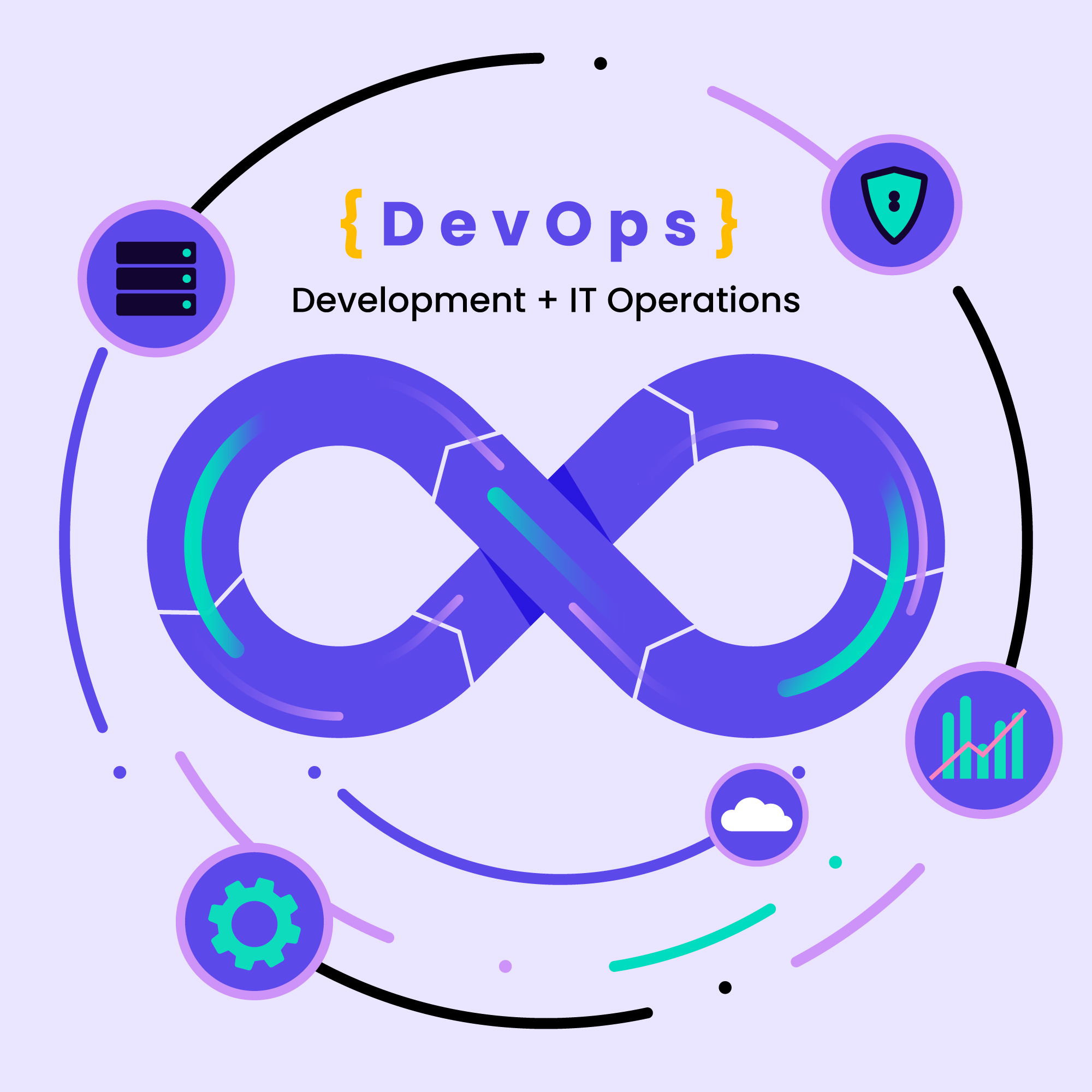
The rise of DevOps practices has also influenced Java development. Senior developers are increasingly expected to contribute to CI/CD pipelines and deployment processes. Similarly, testing has become an integral part of the development lifecycle, with tools like JUnit 5, Mockito, and Robot Framework being critical for ensuring software quality.
Emerging Areas for Java Application
Java is a key player in several fast-growing areas, including:
- Reactive Programming: Ideal for building responsive, scalable systems.
- Big Data: Leveraging Java’s robust ecosystem for handling large-scale data processing.
- IoT: Java’s platform independence makes it suitable for IoT applications.
- Mobile App Development: Java continues to be a leading choice for Android development.
These domains are driving digital transformation in industries like finance, healthcare, and marketing. Developers focusing on these areas can position themselves for high-impact, in-demand projects.
Job Market Trends for Java Developers
Frequent Job Changes
Statistics indicate that Java developers tend to change jobs every two years on average. The primary reasons include:
- Lack of challenging projects.
- Limited opportunities for personal and professional growth.
Implications for HR
For HR specialists, this trend underscores the importance of creating engaging work environments. Offering growth opportunities, meaningful projects, and a clear personal development strategy can help retain top talent. Initiatives such as regular feedback sessions, professional development programs, and employee satisfaction surveys can significantly improve retention rates.
Best Practices for Hiring Java Developers
Crafting Comprehensive Job Descriptions
A clear and detailed job description is the first step in attracting the right candidates. Include specifics such as:
- Required skills and years of experience.
- Project details to spark interest.
- Key responsibilities and expectations.
Technical Assessments
Evaluating a candidate’s technical knowledge is crucial. Focus areas should include:
- Proficiency with Java development tools and frameworks.
- Familiarity with multithreading, memory management, and JVM internals.
- Experience with modern development practices, such as cache coherence and testing.
Conducting technical interviews and practical tests can help identify candidates who align with your project’s needs. Certifications in Java can also serve as a reliable indicator of a developer’s expertise.
Conclusion
Java’s versatility, stability, and continuous evolution make it a powerful tool for developers and organizations alike. From its extensive application in enterprise systems to its growing role in cutting-edge technologies like Big Data and IoT, Java remains an indispensable language.
For developers, staying up-to-date with the latest tools, frameworks, and practices is key to maintaining a competitive edge. For recruiters and employers, understanding market trends and fostering a supportive work environment will ensure the retention of top talent.
In a world where technology is ever-evolving, Java proves that adaptability is the key to longevity. Whether you’re a developer seeking growth or an employer looking to innovate, Java offers a future filled with possibilities.Java, one of the oldest programming languages in existence, continues to hold its position as a cornerstone of the software development industry. Its longevity and widespread use stem from its ability to evolve continually, offering developers innovative tools and features. From building enterprise-grade applications to driving advancements in machine learning and IoT, Java remains at the forefront of software development.
With its consistent demand, Java developers are highly sought after by employers. This demand has given rise to hiring trends influenced by market needs, evolving technology, and industry-specific requirements. These trends provide valuable insights not only for recruiters and employers but also for developers aiming to stay competitive.
Why Java Remains a Leading Language
Statistical Evidence of Java’s Popularity
Java is consistently ranked among the top programming languages globally. According to Devskiller, it is the most tested language on their platform, surpassing SQL and JavaScript. Furthermore, Java remains a mainstay in the top-five most in-demand languages alongside Python and JavaScript.
Java’s staying power is largely due to its continuous evolution. New features and enhancements enable developers to optimize their workflows and meet the demands of modern applications.
Enterprise-Grade Applications
While Java may not have the sheer ubiquity of JavaScript, its strength lies in enterprise applications. Large organizations with complex systems rely heavily on Java for its scalability, reliability, and ability to handle resource-intensive projects. Java’s applications in reactive programming and machine learning further cement its role in enterprise-grade software.
The Most Demanded Skills for Java Developers
To remain competitive in the job market, Java developers need to master certain tools and technologies. The most in-demand skills include:
- Spring Framework: Knowledge of Spring and Spring Boot is essential for backend development.
- Android Development: Proficiency in creating mobile applications using Java.
- Cloud Services: Familiarity with AWS for building cloud-native applications.
- Version Control and CI/CD Tools: Expertise in Git, Docker, and Jenkins.
- Databases: Proficiency in working with NoSQL databases.
Java 8 as a Benchmark
Despite newer versions of Java being available, Java 8 remains the industry standard. Its features, such as lambda expressions, the Stream API, and default methods for interfaces, are foundational. Employers expect developers to have a deep understanding of these capabilities.
DevOps and Testing Skills
The rise of DevOps practices has also influenced Java development. Senior developers are increasingly expected to contribute to CI/CD pipelines and deployment processes. Similarly, testing has become an integral part of the development lifecycle, with tools like JUnit 5, Mockito, and Robot Framework being critical for ensuring software quality.
Emerging Areas for Java Application
Java is a key player in several fast-growing areas, including:
- Reactive Programming: Ideal for building responsive, scalable systems.
- Big Data: Leveraging Java’s robust ecosystem for handling large-scale data processing.
- IoT: Java’s platform independence makes it suitable for IoT applications.
- Mobile App Development: Java continues to be a leading choice for Android development.
These domains are driving digital transformation in industries like finance, healthcare, and marketing. Developers focusing on these areas can position themselves for high-impact, in-demand projects.
Job Market Trends for Java Developers
Frequent Job Changes
Statistics indicate that Java developers tend to change jobs every two years on average. The primary reasons include:
- Lack of challenging projects.
- Limited opportunities for personal and professional growth.
Implications for HR
For HR specialists, this trend underscores the importance of creating engaging work environments. Offering growth opportunities, meaningful projects, and a clear personal development strategy can help retain top talent. Initiatives such as regular feedback sessions, professional development programs, and employee satisfaction surveys can significantly improve retention rates.
Best Practices for Hiring Java Developers
Crafting Comprehensive Job Descriptions
A clear and detailed job description is the first step in attracting the right candidates. Include specifics such as:
- Required skills and years of experience.
- Project details to spark interest.
- Key responsibilities and expectations.
Technical Assessments
Evaluating a candidate’s technical knowledge is crucial. Focus areas should include:
- Proficiency with Java development tools and frameworks.
- Familiarity with multithreading, memory management, and JVM internals.
- Experience with modern development practices, such as cache coherence and testing.
Conducting technical interviews and practical tests can help identify candidates who align with your project’s needs. Certifications in Java can also serve as a reliable indicator of a developer’s expertise.
Conclusion
Java’s versatility, stability, and continuous evolution make it a powerful tool for developers and organizations alike. From its extensive application in enterprise systems to its growing role in cutting-edge technologies like Big Data and IoT, Java remains an indispensable language.
For developers, staying up-to-date with the latest tools, frameworks, and practices is key to maintaining a competitive edge. For recruiters and employers, understanding market trends and fostering a supportive work environment will ensure the retention of top talent.
In a world where technology is ever-evolving, Java proves that adaptability is the key to longevity. Whether you’re a developer seeking growth or an employer looking to innovate, Java offers a future filled with possibilities.Java, one of the oldest programming languages in existence, continues to hold its position as a cornerstone of the software development industry. Its longevity and widespread use stem from its ability to evolve continually, offering developers innovative tools and features. From building enterprise-grade applications to driving advancements in machine learning and IoT, Java remains at the forefront of software development.
With its consistent demand, Java developers are highly sought after by employers. This demand has given rise to hiring trends influenced by market needs, evolving technology, and industry-specific requirements. These trends provide valuable insights not only for recruiters and employers but also for developers aiming to stay competitive.
Why Java Remains a Leading Language
Statistical Evidence of Java’s Popularity
Java is consistently ranked among the top programming languages globally. According to Devskiller, it is the most tested language on their platform, surpassing SQL and JavaScript. Furthermore, Java remains a mainstay in the top-five most in-demand languages alongside Python and JavaScript.
Java’s staying power is largely due to its continuous evolution. New features and enhancements enable developers to optimize their workflows and meet the demands of modern applications.
Enterprise-Grade Applications
While Java may not have the sheer ubiquity of JavaScript, its strength lies in enterprise applications. Large organizations with complex systems rely heavily on Java for its scalability, reliability, and ability to handle resource-intensive projects. Java’s applications in reactive programming and machine learning further cement its role in enterprise-grade software.
The Most Demanded Skills for Java Developers
To remain competitive in the job market, Java developers need to master certain tools and technologies. The most in-demand skills include:
- Spring Framework: Knowledge of Spring and Spring Boot is essential for backend development.
- Android Development: Proficiency in creating mobile applications using Java.
- Cloud Services: Familiarity with AWS for building cloud-native applications.
- Version Control and CI/CD Tools: Expertise in Git, Docker, and Jenkins.
- Databases: Proficiency in working with NoSQL databases.
Java 8 as a Benchmark
Despite newer versions of Java being available, Java 8 remains the industry standard. Its features, such as lambda expressions, the Stream API, and default methods for interfaces, are foundational. Employers expect developers to have a deep understanding of these capabilities.
DevOps and Testing Skills
The rise of DevOps practices has also influenced Java development. Senior developers are increasingly expected to contribute to CI/CD pipelines and deployment processes. Similarly, testing has become an integral part of the development lifecycle, with tools like JUnit 5, Mockito, and Robot Framework being critical for ensuring software quality.
Emerging Areas for Java Application
Java is a key player in several fast-growing areas, including:
- Reactive Programming: Ideal for building responsive, scalable systems.
- Big Data: Leveraging Java’s robust ecosystem for handling large-scale data processing.
- IoT: Java’s platform independence makes it suitable for IoT applications.
- Mobile App Development: Java continues to be a leading choice for Android development.
These domains are driving digital transformation in industries like finance, healthcare, and marketing. Developers focusing on these areas can position themselves for high-impact, in-demand projects.
Job Market Trends for Java Developers
Frequent Job Changes
Statistics indicate that Java developers tend to change jobs every two years on average. The primary reasons include:
- Lack of challenging projects.
- Limited opportunities for personal and professional growth.
Implications for HR
For HR specialists, this trend underscores the importance of creating engaging work environments. Offering growth opportunities, meaningful projects, and a clear personal development strategy can help retain top talent. Initiatives such as regular feedback sessions, professional development programs, and employee satisfaction surveys can significantly improve retention rates.
Best Practices for Hiring Java Developers
Crafting Comprehensive Job Descriptions
A clear and detailed job description is the first step in attracting the right candidates. Include specifics such as:
- Required skills and years of experience.
- Project details to spark interest.
- Key responsibilities and expectations.
Technical Assessments
Evaluating a candidate’s technical knowledge is crucial. Focus areas should include:
- Proficiency with Java development tools and frameworks.
- Familiarity with multithreading, memory management, and JVM internals.
- Experience with modern development practices, such as cache coherence and testing.
Conducting technical interviews and practical tests can help identify candidates who align with your project’s needs. Certifications in Java can also serve as a reliable indicator of a developer’s expertise.
Conclusion
Java’s versatility, stability, and continuous evolution make it a powerful tool for developers and organizations alike. From its extensive application in enterprise systems to its growing role in cutting-edge technologies like Big Data and IoT, Java remains an indispensable language.
For developers, staying up-to-date with the latest tools, frameworks, and practices is key to maintaining a competitive edge. For recruiters and employers, understanding market trends and fostering a supportive work environment will ensure the retention of top talent.
In a world where technology is ever-evolving, Java proves that adaptability is the key to longevity. Whether you’re a developer seeking growth or an employer looking to innovate, Java offers a future filled with possibilities.Java, one of the oldest programming languages in existence, continues to hold its position as a cornerstone of the software development industry. Its longevity and widespread use stem from its ability to evolve continually, offering developers innovative tools and features. From building enterprise-grade applications to driving advancements in machine learning and IoT, Java remains at the forefront of software development.
With its consistent demand, Java developers are highly sought after by employers. This demand has given rise to hiring trends influenced by market needs, evolving technology, and industry-specific requirements. These trends provide valuable insights not only for recruiters and employers but also for developers aiming to stay competitive.
Why Java Remains a Leading Language
Statistical Evidence of Java’s Popularity
Java is consistently ranked among the top programming languages globally. According to Devskiller, it is the most tested language on their platform, surpassing SQL and JavaScript. Furthermore, Java remains a mainstay in the top-five most in-demand languages alongside Python and JavaScript.
Java’s staying power is largely due to its continuous evolution. New features and enhancements enable developers to optimize their workflows and meet the demands of modern applications.
Enterprise-Grade Applications
While Java may not have the sheer ubiquity of JavaScript, its strength lies in enterprise applications. Large organizations with complex systems rely heavily on Java for its scalability, reliability, and ability to handle resource-intensive projects. Java’s applications in reactive programming and machine learning further cement its role in enterprise-grade software.
The Most Demanded Skills for Java Developers
To remain competitive in the job market, Java developers need to master certain tools and technologies. The most in-demand skills include:
- Spring Framework: Knowledge of Spring and Spring Boot is essential for backend development.
- Android Development: Proficiency in creating mobile applications using Java.
- Cloud Services: Familiarity with AWS for building cloud-native applications.
- Version Control and CI/CD Tools: Expertise in Git, Docker, and Jenkins.
- Databases: Proficiency in working with NoSQL databases.
Java 8 as a Benchmark
Despite newer versions of Java being available, Java 8 remains the industry standard. Its features, such as lambda expressions, the Stream API, and default methods for interfaces, are foundational. Employers expect developers to have a deep understanding of these capabilities.
DevOps and Testing Skills
The rise of DevOps practices has also influenced Java development. Senior developers are increasingly expected to contribute to CI/CD pipelines and deployment processes. Similarly, testing has become an integral part of the development lifecycle, with tools like JUnit 5, Mockito, and Robot Framework being critical for ensuring software quality.
Emerging Areas for Java Application
Java is a key player in several fast-growing areas, including:
- Reactive Programming: Ideal for building responsive, scalable systems.
- Big Data: Leveraging Java’s robust ecosystem for handling large-scale data processing.
- IoT: Java’s platform independence makes it suitable for IoT applications.
- Mobile App Development: Java continues to be a leading choice for Android development.
These domains are driving digital transformation in industries like finance, healthcare, and marketing. Developers focusing on these areas can position themselves for high-impact, in-demand projects.
Job Market Trends for Java Developers
Frequent Job Changes
Statistics indicate that Java developers tend to change jobs every two years on average. The primary reasons include:
- Lack of challenging projects.
- Limited opportunities for personal and professional growth.
Implications for HR
For HR specialists, this trend underscores the importance of creating engaging work environments. Offering growth opportunities, meaningful projects, and a clear personal development strategy can help retain top talent. Initiatives such as regular feedback sessions, professional development programs, and employee satisfaction surveys can significantly improve retention rates.
Best Practices for Hiring Java Developers
Crafting Comprehensive Job Descriptions
A clear and detailed job description is the first step in attracting the right candidates. Include specifics such as:
- Required skills and years of experience.
- Project details to spark interest.
- Key responsibilities and expectations.
Technical Assessments
Evaluating a candidate’s technical knowledge is crucial. Focus areas should include:
- Proficiency with Java development tools and frameworks.
- Familiarity with multithreading, memory management, and JVM internals.
- Experience with modern development practices, such as cache coherence and testing.
Conducting technical interviews and practical tests can help identify candidates who align with your project’s needs. Certifications in Java can also serve as a reliable indicator of a developer’s expertise.
Conclusion
Java’s versatility, stability, and continuous evolution make it a powerful tool for developers and organizations alike. From its extensive application in enterprise systems to its growing role in cutting-edge technologies like Big Data and IoT, Java remains an indispensable language.
For developers, staying up-to-date with the latest tools, frameworks, and practices is key to maintaining a competitive edge. For recruiters and employers, understanding market trends and fostering a supportive work environment will ensure the retention of top talent.
In a world where technology is ever-evolving, Java proves that adaptability is the key to longevity. Whether you’re a developer seeking growth or an employer looking to innovate, Java offers a future filled with possibilities.Java, one of the oldest programming languages in existence, continues to hold its position as a cornerstone of the software development industry. Its longevity and widespread use stem from its ability to evolve continually, offering developers innovative tools and features. From building enterprise-grade applications to driving advancements in machine learning and IoT, Java remains at the forefront of software development.
With its consistent demand, Java developers are highly sought after by employers. This demand has given rise to hiring trends influenced by market needs, evolving technology, and industry-specific requirements. These trends provide valuable insights not only for recruiters and employers but also for developers aiming to stay competitive.
Why Java Remains a Leading Language
Statistical Evidence of Java’s Popularity
Java is consistently ranked among the top programming languages globally. According to Devskiller, it is the most tested language on their platform, surpassing SQL and JavaScript. Furthermore, Java remains a mainstay in the top-five most in-demand languages alongside Python and JavaScript.
Java’s staying power is largely due to its continuous evolution. New features and enhancements enable developers to optimize their workflows and meet the demands of modern applications.
Enterprise-Grade Applications
While Java may not have the sheer ubiquity of JavaScript, its strength lies in enterprise applications. Large organizations with complex systems rely heavily on Java for its scalability, reliability, and ability to handle resource-intensive projects. Java’s applications in reactive programming and machine learning further cement its role in enterprise-grade software.
The Most Demanded Skills for Java Developers
To remain competitive in the job market, Java developers need to master certain tools and technologies. The most in-demand skills include:
- Spring Framework: Knowledge of Spring and Spring Boot is essential for backend development.
- Android Development: Proficiency in creating mobile applications using Java.
- Cloud Services: Familiarity with AWS for building cloud-native applications.
- Version Control and CI/CD Tools: Expertise in Git, Docker, and Jenkins.
- Databases: Proficiency in working with NoSQL databases.
Java 8 as a Benchmark
Despite newer versions of Java being available, Java 8 remains the industry standard. Its features, such as lambda expressions, the Stream API, and default methods for interfaces, are foundational. Employers expect developers to have a deep understanding of these capabilities.
DevOps and Testing Skills
The rise of DevOps practices has also influenced Java development. Senior developers are increasingly expected to contribute to CI/CD pipelines and deployment processes. Similarly, testing has become an integral part of the development lifecycle, with tools like JUnit 5, Mockito, and Robot Framework being critical for ensuring software quality.
Emerging Areas for Java Application
Java is a key player in several fast-growing areas, including:
- Reactive Programming: Ideal for building responsive, scalable systems.
- Big Data: Leveraging Java’s robust ecosystem for handling large-scale data processing.
- IoT: Java’s platform independence makes it suitable for IoT applications.
- Mobile App Development: Java continues to be a leading choice for Android development.
These domains are driving digital transformation in industries like finance, healthcare, and marketing. Developers focusing on these areas can position themselves for high-impact, in-demand projects.
Job Market Trends for Java Developers
Frequent Job Changes
Statistics indicate that Java developers tend to change jobs every two years on average. The primary reasons include:
- Lack of challenging projects.
- Limited opportunities for personal and professional growth.
Implications for HR
For HR specialists, this trend underscores the importance of creating engaging work environments. Offering growth opportunities, meaningful projects, and a clear personal development strategy can help retain top talent. Initiatives such as regular feedback sessions, professional development programs, and employee satisfaction surveys can significantly improve retention rates.
Best Practices for Hiring Java Developers
Crafting Comprehensive Job Descriptions
A clear and detailed job description is the first step in attracting the right candidates. Include specifics such as:
- Required skills and years of experience.
- Project details to spark interest.
- Key responsibilities and expectations.
Technical Assessments
Evaluating a candidate’s technical knowledge is crucial. Focus areas should include:
- Proficiency with Java development tools and frameworks.
- Familiarity with multithreading, memory management, and JVM internals.
- Experience with modern development practices, such as cache coherence and testing.
Conducting technical interviews and practical tests can help identify candidates who align with your project’s needs. Certifications in Java can also serve as a reliable indicator of a developer’s expertise.
Conclusion
Java’s versatility, stability, and continuous evolution make it a powerful tool for developers and organizations alike. From its extensive application in enterprise systems to its growing role in cutting-edge technologies like Big Data and IoT, Java remains an indispensable language.
For developers, staying up-to-date with the latest tools, frameworks, and practices is key to maintaining a competitive edge. For recruiters and employers, understanding market trends and fostering a supportive work environment will ensure the retention of top talent.
In a world where technology is ever-evolving, Java proves that adaptability is the key to longevity. Whether you’re a developer seeking growth or an employer looking to innovate, Java offers a future filled with possibilities.Java, one of the oldest programming languages in existence, continues to hold its position as a cornerstone of the software development industry. Its longevity and widespread use stem from its ability to evolve continually, offering developers innovative tools and features. From building enterprise-grade applications to driving advancements in machine learning and IoT, Java remains at the forefront of software development.
With its consistent demand, Java developers are highly sought after by employers. This demand has given rise to hiring trends influenced by market needs, evolving technology, and industry-specific requirements. These trends provide valuable insights not only for recruiters and employers but also for developers aiming to stay competitive.
Why Java Remains a Leading Language
Statistical Evidence of Java’s Popularity
Java is consistently ranked among the top programming languages globally. According to Devskiller, it is the most tested language on their platform, surpassing SQL and JavaScript. Furthermore, Java remains a mainstay in the top-five most in-demand languages alongside Python and JavaScript.
Java’s staying power is largely due to its continuous evolution. New features and enhancements enable developers to optimize their workflows and meet the demands of modern applications.
Enterprise-Grade Applications
While Java may not have the sheer ubiquity of JavaScript, its strength lies in enterprise applications. Large organizations with complex systems rely heavily on Java for its scalability, reliability, and ability to handle resource-intensive projects. Java’s applications in reactive programming and machine learning further cement its role in enterprise-grade software.
The Most Demanded Skills for Java Developers
To remain competitive in the job market, Java developers need to master certain tools and technologies. The most in-demand skills include:
- Spring Framework: Knowledge of Spring and Spring Boot is essential for backend development.
- Android Development: Proficiency in creating mobile applications using Java.
- Cloud Services: Familiarity with AWS for building cloud-native applications.
- Version Control and CI/CD Tools: Expertise in Git, Docker, and Jenkins.
- Databases: Proficiency in working with NoSQL databases.
Java 8 as a Benchmark
Despite newer versions of Java being available, Java 8 remains the industry standard. Its features, such as lambda expressions, the Stream API, and default methods for interfaces, are foundational. Employers expect developers to have a deep understanding of these capabilities.
DevOps and Testing Skills
The rise of DevOps practices has also influenced Java development. Senior developers are increasingly expected to contribute to CI/CD pipelines and deployment processes. Similarly, testing has become an integral part of the development lifecycle, with tools like JUnit 5, Mockito, and Robot Framework being critical for ensuring software quality.
Emerging Areas for Java Application
Java is a key player in several fast-growing areas, including:
- Reactive Programming: Ideal for building responsive, scalable systems.
- Big Data: Leveraging Java’s robust ecosystem for handling large-scale data processing.
- IoT: Java’s platform independence makes it suitable for IoT applications.
- Mobile App Development: Java continues to be a leading choice for Android development.
These domains are driving digital transformation in industries like finance, healthcare, and marketing. Developers focusing on these areas can position themselves for high-impact, in-demand projects.
Job Market Trends for Java Developers
Frequent Job Changes
Statistics indicate that Java developers tend to change jobs every two years on average. The primary reasons include:
- Lack of challenging projects.
- Limited opportunities for personal and professional growth.
Implications for HR
For HR specialists, this trend underscores the importance of creating engaging work environments. Offering growth opportunities, meaningful projects, and a clear personal development strategy can help retain top talent. Initiatives such as regular feedback sessions, professional development programs, and employee satisfaction surveys can significantly improve retention rates.
Best Practices for Hiring Java Developers
Crafting Comprehensive Job Descriptions
A clear and detailed job description is the first step in attracting the right candidates. Include specifics such as:
- Required skills and years of experience.
- Project details to spark interest.
- Key responsibilities and expectations.
Technical Assessments
Evaluating a candidate’s technical knowledge is crucial. Focus areas should include:
- Proficiency with Java development tools and frameworks.
- Familiarity with multithreading, memory management, and JVM internals.
- Experience with modern development practices, such as cache coherence and testing.
Conducting technical interviews and practical tests can help identify candidates who align with your project’s needs. Certifications in Java can also serve as a reliable indicator of a developer’s expertise.
Conclusion
Java’s versatility, stability, and continuous evolution make it a powerful tool for developers and organizations alike. From its extensive application in enterprise systems to its growing role in cutting-edge technologies like Big Data and IoT, Java remains an indispensable language.
For developers, staying up-to-date with the latest tools, frameworks, and practices is key to maintaining a competitive edge. For recruiters and employers, understanding market trends and fostering a supportive work environment will ensure the retention of top talent.
In a world where technology is ever-evolving, Java proves that adaptability is the key to longevity. Whether you’re a developer seeking growth or an employer looking to innovate, Java offers a future filled with possibilities.Java, one of the oldest programming languages in existence, continues to hold its position as a cornerstone of the software development industry. Its longevity and widespread use stem from its ability to evolve continually, offering developers innovative tools and features. From building enterprise-grade applications to driving advancements in machine learning and IoT, Java remains at the forefront of software development.
With its consistent demand, Java developers are highly sought after by employers. This demand has given rise to hiring trends influenced by market needs, evolving technology, and industry-specific requirements. These trends provide valuable insights not only for recruiters and employers but also for developers aiming to stay competitive.
Why Java Remains a Leading Language
Statistical Evidence of Java’s Popularity
Java is consistently ranked among the top programming languages globally. According to Devskiller, it is the most tested language on their platform, surpassing SQL and JavaScript. Furthermore, Java remains a mainstay in the top-five most in-demand languages alongside Python and JavaScript.
Java’s staying power is largely due to its continuous evolution. New features and enhancements enable developers to optimize their workflows and meet the demands of modern applications.
Enterprise-Grade Applications
While Java may not have the sheer ubiquity of JavaScript, its strength lies in enterprise applications. Large organizations with complex systems rely heavily on Java for its scalability, reliability, and ability to handle resource-intensive projects. Java’s applications in reactive programming and machine learning further cement its role in enterprise-grade software.
The Most Demanded Skills for Java Developers
To remain competitive in the job market, Java developers need to master certain tools and technologies. The most in-demand skills include:
- Spring Framework: Knowledge of Spring and Spring Boot is essential for backend development.
- Android Development: Proficiency in creating mobile applications using Java.
- Cloud Services: Familiarity with AWS for building cloud-native applications.
- Version Control and CI/CD Tools: Expertise in Git, Docker, and Jenkins.
- Databases: Proficiency in working with NoSQL databases.
Java 8 as a Benchmark
Despite newer versions of Java being available, Java 8 remains the industry standard. Its features, such as lambda expressions, the Stream API, and default methods for interfaces, are foundational. Employers expect developers to have a deep understanding of these capabilities.
DevOps and Testing Skills
The rise of DevOps practices has also influenced Java development. Senior developers are increasingly expected to contribute to CI/CD pipelines and deployment processes. Similarly, testing has become an integral part of the development lifecycle, with tools like JUnit 5, Mockito, and Robot Framework being critical for ensuring software quality.
Emerging Areas for Java Application
Java is a key player in several fast-growing areas, including:
- Reactive Programming: Ideal for building responsive, scalable systems.
- Big Data: Leveraging Java’s robust ecosystem for handling large-scale data processing.
- IoT: Java’s platform independence makes it suitable for IoT applications.
- Mobile App Development: Java continues to be a leading choice for Android development.
These domains are driving digital transformation in industries like finance, healthcare, and marketing. Developers focusing on these areas can position themselves for high-impact, in-demand projects.
Job Market Trends for Java Developers
Frequent Job Changes
Statistics indicate that Java developers tend to change jobs every two years on average. The primary reasons include:
- Lack of challenging projects.
- Limited opportunities for personal and professional growth.
Implications for HR
For HR specialists, this trend underscores the importance of creating engaging work environments. Offering growth opportunities, meaningful projects, and a clear personal development strategy can help retain top talent. Initiatives such as regular feedback sessions, professional development programs, and employee satisfaction surveys can significantly improve retention rates.
Best Practices for Hiring Java Developers
Crafting Comprehensive Job Descriptions
A clear and detailed job description is the first step in attracting the right candidates. Include specifics such as:
- Required skills and years of experience.
- Project details to spark interest.
- Key responsibilities and expectations.
Technical Assessments
Evaluating a candidate’s technical knowledge is crucial. Focus areas should include:
- Proficiency with Java development tools and frameworks.
- Familiarity with multithreading, memory management, and JVM internals.
- Experience with modern development practices, such as cache coherence and testing.
Conducting technical interviews and practical tests can help identify candidates who align with your project’s needs. Certifications in Java can also serve as a reliable indicator of a developer’s expertise.
Conclusion
Java’s versatility, stability, and continuous evolution make it a powerful tool for developers and organizations alike. From its extensive application in enterprise systems to its growing role in cutting-edge technologies like Big Data and IoT, Java remains an indispensable language.
For developers, staying up-to-date with the latest tools, frameworks, and practices is key to maintaining a competitive edge. For recruiters and employers, understanding market trends and fostering a supportive work environment will ensure the retention of top talent.
In a world where technology is ever-evolving, Java proves that adaptability is the key to longevity. Whether you’re a developer seeking growth or an employer looking to innovate, Java offers a future filled with possibilities.