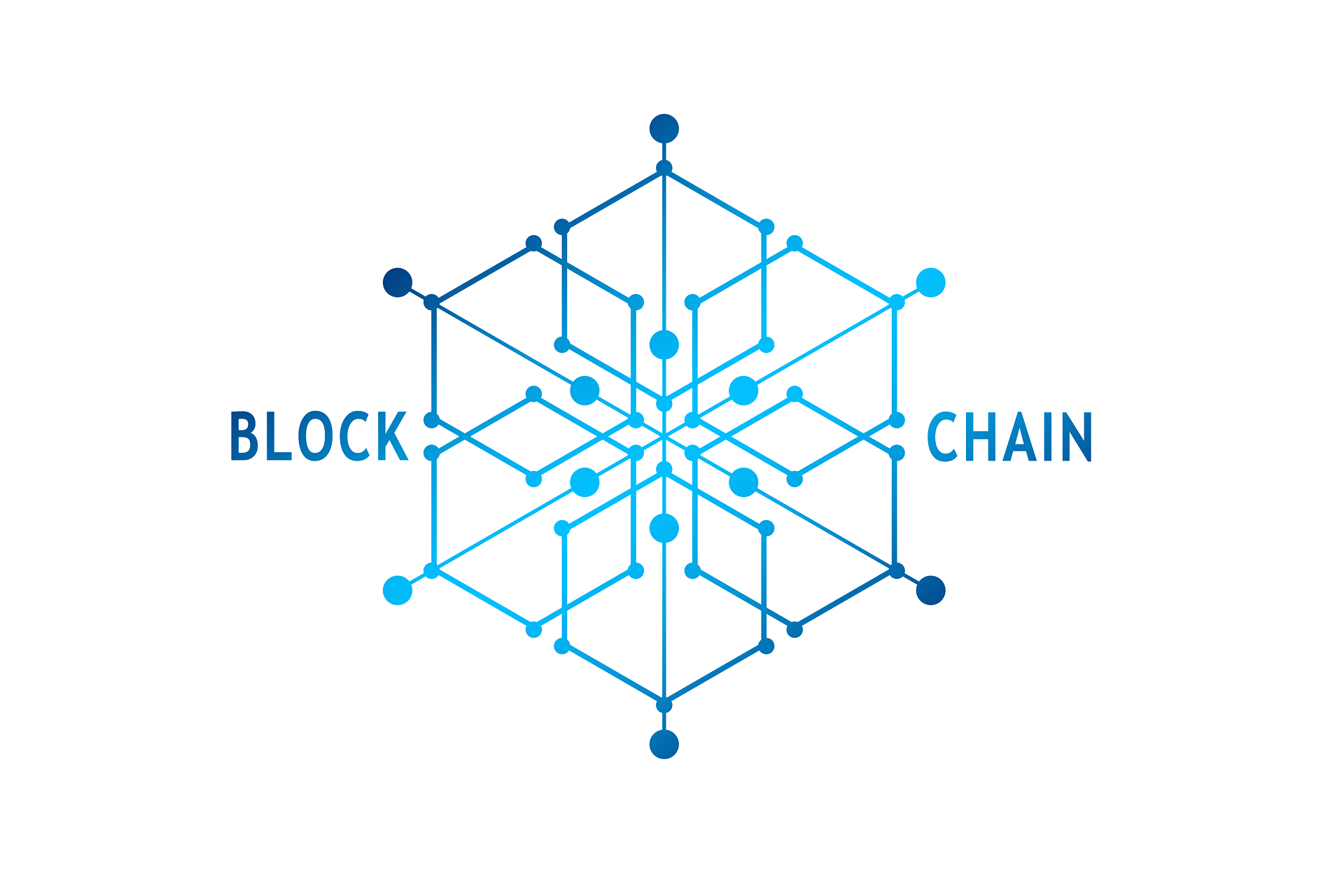
Blockchain technology is transforming industries by providing secure, transparent, and decentralized ways to handle transactions and store data. With an estimated market size of $10.02 billion in 2022 and a projected growth to $1.43 trillion by 2030, blockchain is paving the way for a future where intermediaries are minimized, and trust is built into the very fabric of digital interactions. Let’s explore what blockchain is, how it works, and why it’s essential for businesses to understand its impact.
What is Blockchain?
At its core, blockchain is a distributed ledger technology (DLT) that records data across a network of computers, making it nearly impossible to alter retroactively. Unlike traditional databases, blockchain stores data in blocks that are linked or “chained” together. Each block contains a unique identifier, a timestamp, and transaction data, all of which are cryptographically secured. The security aspect is one of the key reasons why blockchain is projected to safeguard up to $20 billion worth of assets by 2024.
How Does Blockchain Work?
Blockchain operates on a decentralized network of nodes (computers) that validate and record transactions. In 2021, the Ethereum network had an average of 200,000 daily active nodes, which collectively validate transactions. When a transaction is made, it is grouped with others in a block and sent out to the network for validation through a consensus mechanism, such as Proof of Work or Proof of Stake.
Once validated, the block is added to the existing chain of blocks. Each new block strengthens the security of the previous blocks, making the chain tamper-proof. According to recent studies, altering a single transaction on a large blockchain network like Bitcoin would require control of over 51% of the network, an incredibly costly and nearly impossible task.
Key Benefits of Blockchain
- Enhanced Security: The blockchain security market is expected to reach $355 billion by 2028, underscoring the growing demand for secure digital solutions. Blockchain’s decentralized nature and cryptographic protocols make it highly secure, reducing the risk of fraud and cyberattacks.
- Transparency: In the diamond supply chain, companies like De Beers use blockchain to track diamonds from mine to market. This transparency helps combat the issue of conflict diamonds by ensuring all participants have access to the same, immutable information.
- Cost Reduction: By 2026, it’s predicted that blockchain could cut infrastructure costs for banks by up to $20 billion annually. By eliminating intermediaries, blockchain reduces costs for businesses, particularly in sectors like finance, where transaction fees and third-party processing fees are common.
- Improved Efficiency: Blockchain is estimated to accelerate transaction processing times by up to 95% in industries that rely on manual record-keeping. For example, IBM and Maersk’s blockchain-based TradeLens platform has significantly reduced paperwork and sped up processes in the shipping industry.
- Immutability: Blockchain records are permanent and cannot be altered, which is why governments are exploring blockchain for official records. In fact, 46% of public sector executives believe blockchain can improve efficiency and transparency in public record-keeping.
Applications of Blockchain Across Industries
- Finance: Cryptocurrencies like Bitcoin, which has a market capitalization of over $500 billion, are the most well-known application of blockchain. Beyond digital currencies, blockchain is transforming traditional finance through DeFi (Decentralized Finance) platforms, which grew by over 1,200% in 2021 alone.
- Supply Chain Management: Walmart uses blockchain to trace the origin of products, reducing the time needed to track food items from farm to store from 7 days to just 2.2 seconds. This level of traceability improves safety and efficiency, especially in food and pharmaceutical industries.
- Healthcare: The global healthcare blockchain market is expected to reach $3.5 billion by 2025. Blockchain securely stores patient records, allowing for secure data sharing across healthcare providers while ensuring privacy. Estonia, a pioneer in digital health, uses blockchain for its electronic health record system, benefiting 99% of its population.
- Real Estate: Blockchain reduces transaction times and costs in real estate. For instance, Propy, a real estate blockchain platform, facilitates property sales using smart contracts, cutting down closing times from weeks to days and enabling international buyers to invest in real estate with minimal friction.
- Voting Systems: In 2018, West Virginia became the first U.S. state to use blockchain-based voting in a federal election, offering a secure way for military personnel abroad to vote. Blockchain voting ensures votes are immutable and verifiable, helping prevent election fraud and increase voter trust.
The Future of Blockchain
The potential of blockchain extends beyond individual industries. The global spending on blockchain solutions is projected to reach $19 billion by 2024, indicating rapid adoption across sectors. With Web 3.0 on the horizon, blockchain could become the foundation for a more decentralized internet, where users have control over their data and digital identities.
From DeFi to NFTs, blockchain is enabling a range of new business models and opportunities. Businesses looking to stay competitive should explore blockchain to understand its applications and consider how it can be integrated into their operations.
Final Thoughts
Blockchain technology holds the promise of a more secure, transparent, and efficient world. With a projected market growth rate of over 85% annually, its impact on various sectors is undeniable. As more businesses and industries adopt blockchain, it will shape the future of our digital economy.
By staying informed about blockchain trends and exploring how it can benefit your business, you can position yourself at the forefront of this technological revolution. Whether you’re interested in finance, healthcare, or supply chain management, blockchain offers innovation and growth opportunities that are too significant to ignore.Blockchain technology is transforming industries by providing secure, transparent, and decentralized ways to handle transactions and store data. With an estimated market size of $10.02 billion in 2022 and a projected growth to $1.43 trillion by 2030, blockchain is paving the way for a future where intermediaries are minimized, and trust is built into the very fabric of digital interactions. Let’s explore what blockchain is, how it works, and why it’s essential for businesses to understand its impact.
What is Blockchain?
At its core, blockchain is a distributed ledger technology (DLT) that records data across a network of computers, making it nearly impossible to alter retroactively. Unlike traditional databases, blockchain stores data in blocks that are linked or “chained” together. Each block contains a unique identifier, a timestamp, and transaction data, all of which are cryptographically secured. The security aspect is one of the key reasons why blockchain is projected to safeguard up to $20 billion worth of assets by 2024.
How Does Blockchain Work?
Blockchain operates on a decentralized network of nodes (computers) that validate and record transactions. In 2021, the Ethereum network had an average of 200,000 daily active nodes, which collectively validate transactions. When a transaction is made, it is grouped with others in a block and sent out to the network for validation through a consensus mechanism, such as Proof of Work or Proof of Stake.
Once validated, the block is added to the existing chain of blocks. Each new block strengthens the security of the previous blocks, making the chain tamper-proof. According to recent studies, altering a single transaction on a large blockchain network like Bitcoin would require control of over 51% of the network, an incredibly costly and nearly impossible task.
Key Benefits of Blockchain
- Enhanced Security: The blockchain security market is expected to reach $355 billion by 2028, underscoring the growing demand for secure digital solutions. Blockchain’s decentralized nature and cryptographic protocols make it highly secure, reducing the risk of fraud and cyberattacks.
- Transparency: In the diamond supply chain, companies like De Beers use blockchain to track diamonds from mine to market. This transparency helps combat the issue of conflict diamonds by ensuring all participants have access to the same, immutable information.
- Cost Reduction: By 2026, it’s predicted that blockchain could cut infrastructure costs for banks by up to $20 billion annually. By eliminating intermediaries, blockchain reduces costs for businesses, particularly in sectors like finance, where transaction fees and third-party processing fees are common.
- Improved Efficiency: Blockchain is estimated to accelerate transaction processing times by up to 95% in industries that rely on manual record-keeping. For example, IBM and Maersk’s blockchain-based TradeLens platform has significantly reduced paperwork and sped up processes in the shipping industry.
- Immutability: Blockchain records are permanent and cannot be altered, which is why governments are exploring blockchain for official records. In fact, 46% of public sector executives believe blockchain can improve efficiency and transparency in public record-keeping.
Applications of Blockchain Across Industries
- Finance: Cryptocurrencies like Bitcoin, which has a market capitalization of over $500 billion, are the most well-known application of blockchain. Beyond digital currencies, blockchain is transforming traditional finance through DeFi (Decentralized Finance) platforms, which grew by over 1,200% in 2021 alone.
- Supply Chain Management: Walmart uses blockchain to trace the origin of products, reducing the time needed to track food items from farm to store from 7 days to just 2.2 seconds. This level of traceability improves safety and efficiency, especially in food and pharmaceutical industries.
- Healthcare: The global healthcare blockchain market is expected to reach $3.5 billion by 2025. Blockchain securely stores patient records, allowing for secure data sharing across healthcare providers while ensuring privacy. Estonia, a pioneer in digital health, uses blockchain for its electronic health record system, benefiting 99% of its population.
- Real Estate: Blockchain reduces transaction times and costs in real estate. For instance, Propy, a real estate blockchain platform, facilitates property sales using smart contracts, cutting down closing times from weeks to days and enabling international buyers to invest in real estate with minimal friction.
- Voting Systems: In 2018, West Virginia became the first U.S. state to use blockchain-based voting in a federal election, offering a secure way for military personnel abroad to vote. Blockchain voting ensures votes are immutable and verifiable, helping prevent election fraud and increase voter trust.
The Future of Blockchain
The potential of blockchain extends beyond individual industries. The global spending on blockchain solutions is projected to reach $19 billion by 2024, indicating rapid adoption across sectors. With Web 3.0 on the horizon, blockchain could become the foundation for a more decentralized internet, where users have control over their data and digital identities.
From DeFi to NFTs, blockchain is enabling a range of new business models and opportunities. Businesses looking to stay competitive should explore blockchain to understand its applications and consider how it can be integrated into their operations.
Final Thoughts
Blockchain technology holds the promise of a more secure, transparent, and efficient world. With a projected market growth rate of over 85% annually, its impact on various sectors is undeniable. As more businesses and industries adopt blockchain, it will shape the future of our digital economy.
By staying informed about blockchain trends and exploring how it can benefit your business, you can position yourself at the forefront of this technological revolution. Whether you’re interested in finance, healthcare, or supply chain management, blockchain offers innovation and growth opportunities that are too significant to ignore.